
The situation
A global telecommunications operator, active in the Netherlands, France, the United States and Portugal, wanted to cut Average Handling Time for call center operators. Agents diagnosed issues, found the customer, and closed the request by moving across 32 systems. Experienced agents kept that map in their heads. Newer agents waited on them. Over nine weeks I led the research and the design with the US team, running interviews, shadowing and workshops. The field study was in New York and Texas because the demands were theirs, with remote sessions with teams in Egypt and Jamaica.
The decision
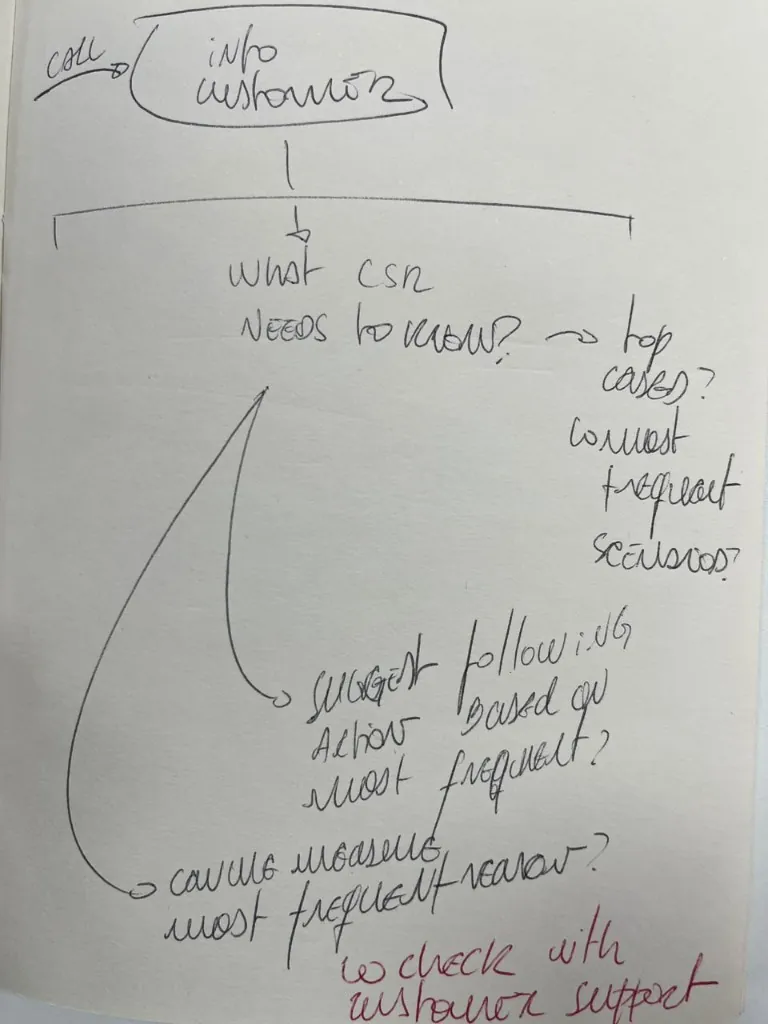
Once the caller was identified, the agent needed three things: who this customer is, what is already wrong, and the next action that usually works. I put those three in one workspace and integrated the 7 systems agents already reached for. The other 25 stayed available from the same call.
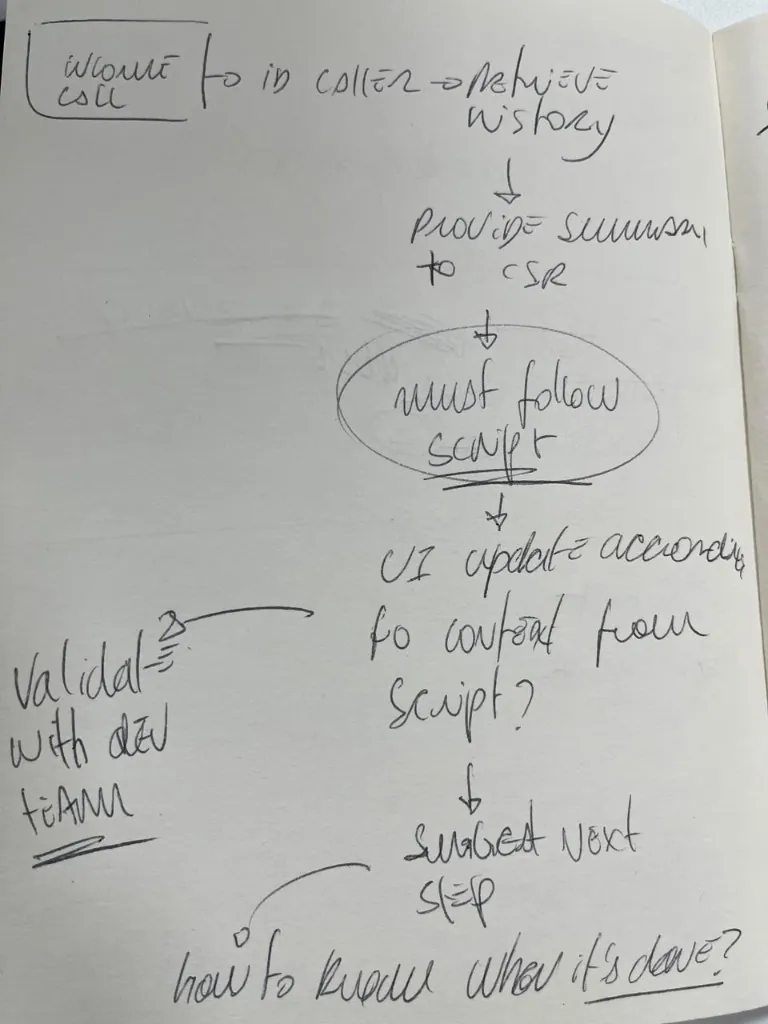
The path of a call was fixed. Identify the caller. Pull the history. Put a summary in front of the agent. Suggest the next step, then open the specialized tool without leaving the call.
What I refused
Replacing all 32 systems. A full migration would have delayed the first proof past the moment the operation could tell whether the idea worked. The first release had to run on the tools agents already trusted.
The workspace
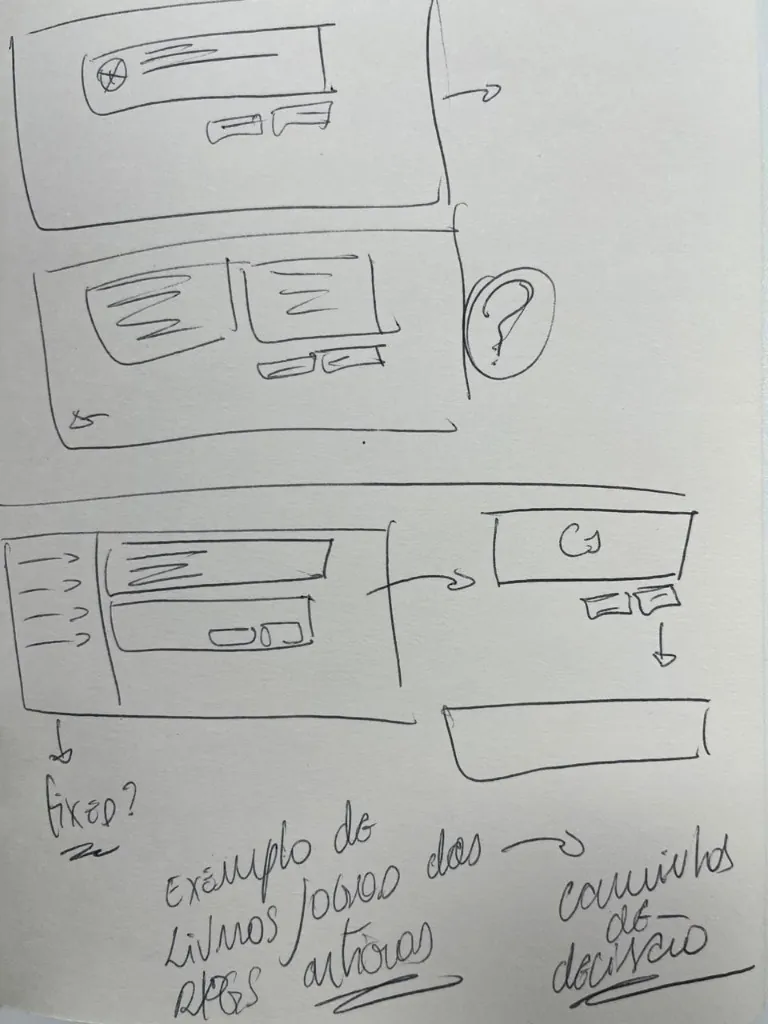
As the call arrived, the workspace assembled customer details, billing status, network indicators, support history, and a recommended next action. An internal recommendation engine suggested the troubleshooting step from that context.

The same pattern held for a technical issue. The workspace named the next step, then opened the tool inside the call.


On the call, the agent needed the customer, what was already wrong, and the next action. These notes are that map.
Results
12 min → 3 min AHT
75% reduction in Average Handling Time
The platform was released through a pilot program with experienced agents before broader adoption. Key people got the new system and used it for day-to-day work for over a month. That test ran in the real work environment, where average time on each call was measured.