The bottleneck
Denmark’s largest telecommunications company was expanding its customer portal and self-service platform for more than 700,000 customers. The roadmap was growing, but design was not following. A new feature still needed several workshops, concept rounds, and approvals before it reached development. Two squads with nine designers total used the shared components library. I spent three months on-site in Copenhagen to raise delivery capacity without adding people.
The rule
The system already covered the common screens. Complex interactions, in eCare, ecommerce, and operational dashboards, were still drawn from scratch, and those drawings rarely came back as shared assets. The system also moved on its own clock. Requirements arrived faster than it could support them.
The rule I set with the product teams and the client designers was this: a complex flow is built once, against the upcoming roadmap, and then reused. A one-off stays in the workshop file until it shows up a second time.
What I refused
A full redesign of the system. The portal was live and shipping. Every change had to sit next to current handoffs and the active roadmap. We replaced the foundation in slices, using Material UI’s token architecture, and checked each slice before the next. Blueprint work stayed with the client. My team produced the flows and sent them back for review.
What I owned in that structure: token architecture, component taxonomy, documentation standards, governance rules, and the contribution path into the system.
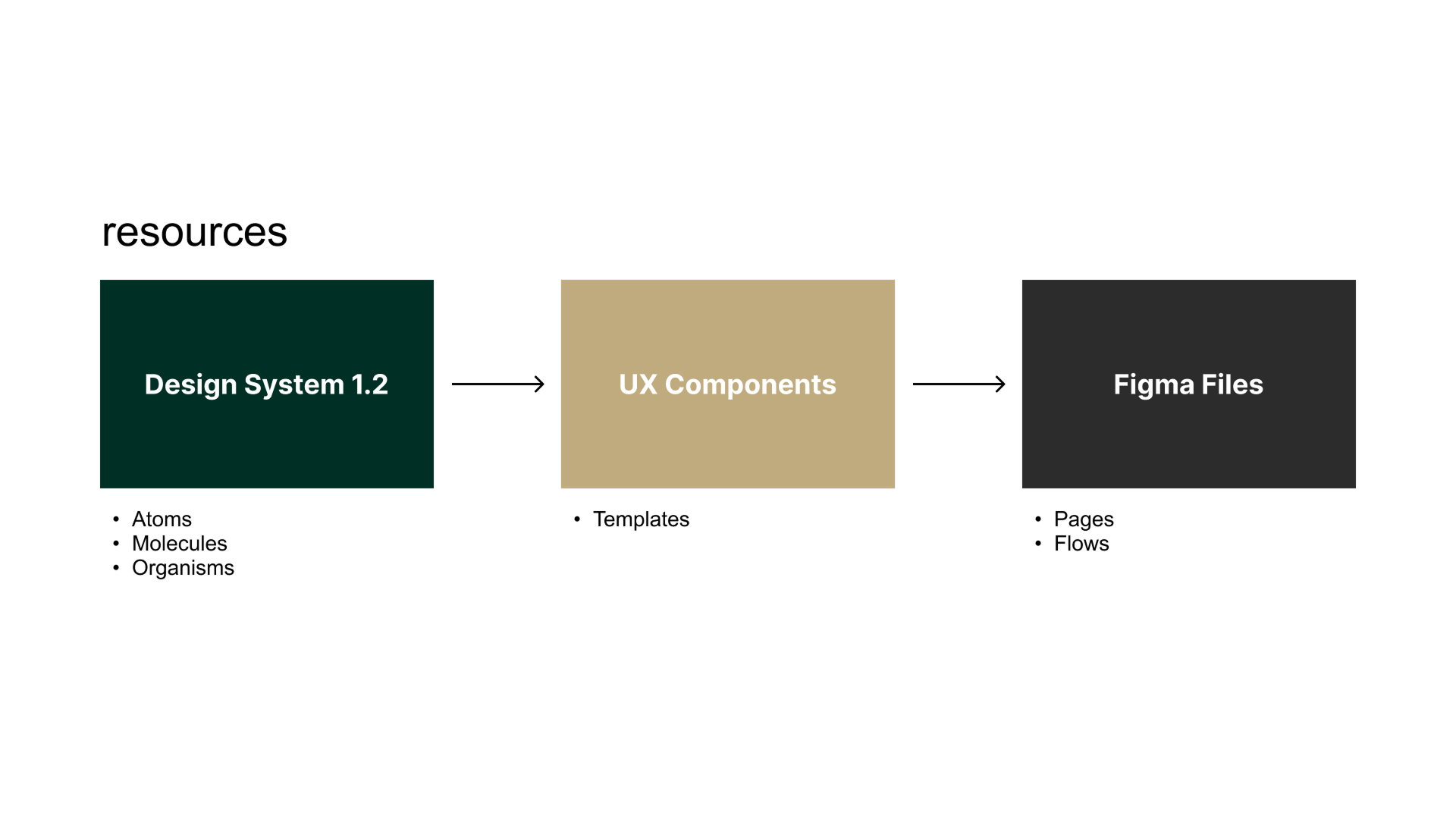
Each file had one job. The design system held the components, a shared library held the templates, and workshop files held the flows. Client blueprint, then our flows, then client review.
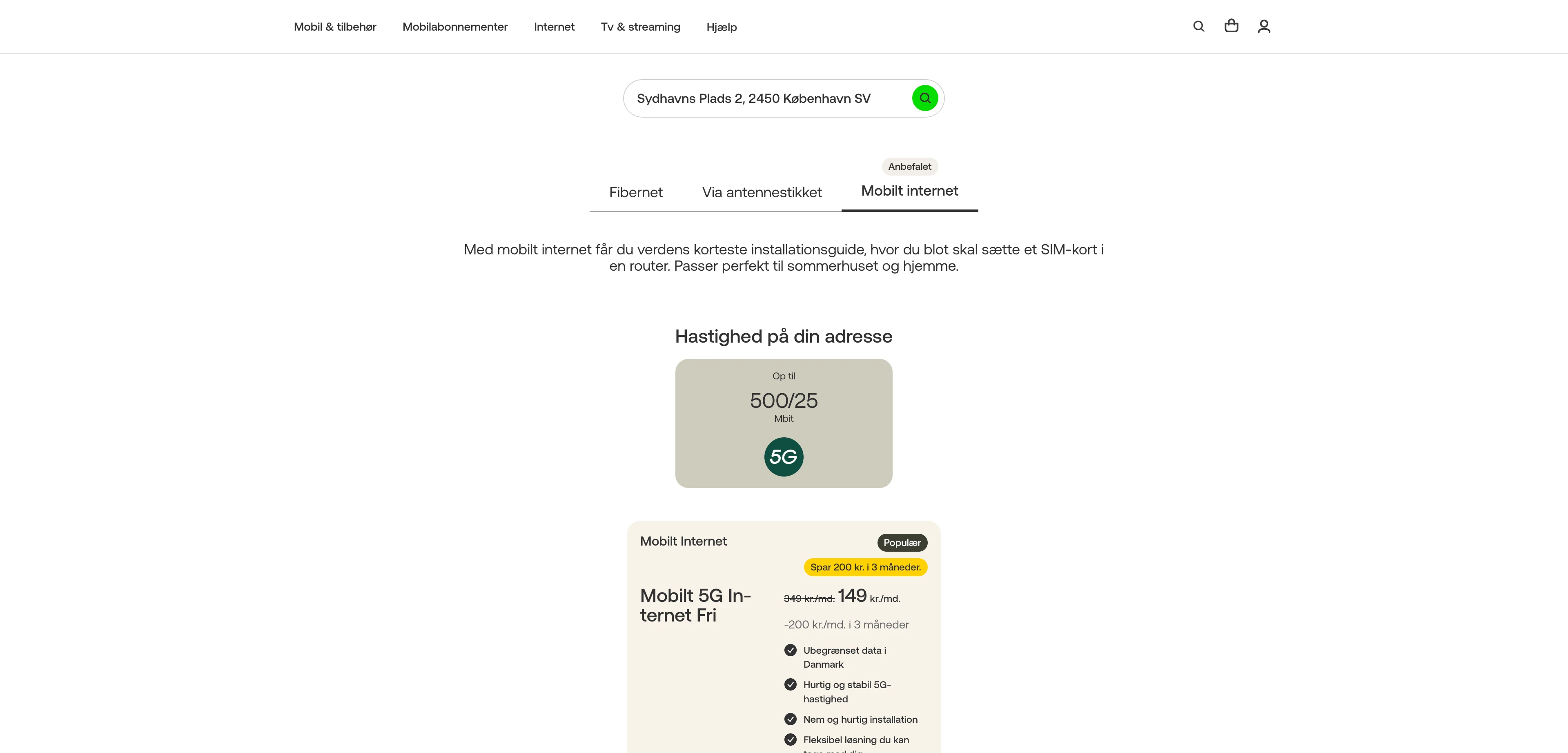
The screens below are the portal using those components. Desktop is product configuration. Mobile is the listing and the product detail.


Results
67% faster concept production
Concept production was the time from a new initiative to a validated design concept. That fell from up to 3 days to 1 day.
50% faster design handoff
Handoff was the path from the request, through design, to delivery for development. Features that took 2–4 weeks from workshop to handoff were delivered in 1–2 weeks.
The system is still in use across the organization.